


When people think of the Dutch resistance during the Second World War, they often imagine forged identity papers, secret radio transmitters hidden in attics, or daring acts of sabotage carried out under the cover of darkness. Brave men who performed heroic deeds for their people and their country.
Less has been written about the women in the resistance. Anyone who knows a little bit more about the Dutch resistance is undoubtedly familiar with the girl with the red hair (Hanny Schaft, who carried out attacks on Germans and collaborators) and, more recently, the girl with the braids (a wonderful book by Wilma Geldof).
But people rarely picture a young woman cycling through the streets of the Netherlands with an alarm clock in her bike basket. Yet that bicycle carried much more than just groceries and household items. Hidden under the bell were forged documents, ration cards, messages, and sometimes even weapons.
The young woman riding it was Joke Folmer, one of the most successful resistance couriers in occupied Europe and a woman who ultimately managed to smuggle more than 300 people across the border, including 120 pilots.
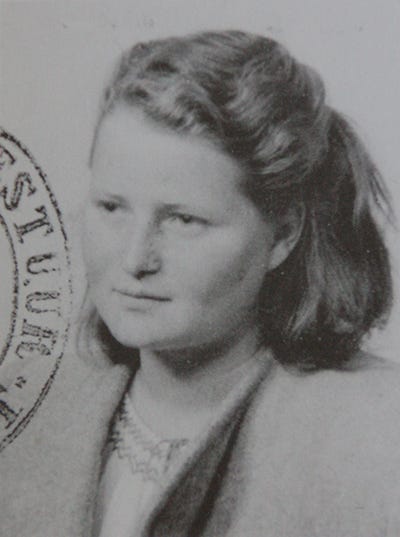
For years, the Gestapo had been searching for a female resistance fighter known only by the nickname “La Petite.” The name threw them off the scent, as they were looking for a small, elderly woman. In reality, Joke was a young student, just out of her teens, standing 5’8” (1’74 meter).
The story of how she entered the resistance began, as many extraordinary wartime stories do, with a friendship.
A friend named Rosette
Joke Folmer was born on 9 July 1923 in Hoofddorp, the Netherlands. Much of her childhood, however, was spent far from Europe. Her father worked in the Dutch East Indies, and she grew up surrounded by sugar plantations, tropical landscapes, and a way of life that seemed worlds away from the political tensions that were beginning to engulf Europe.
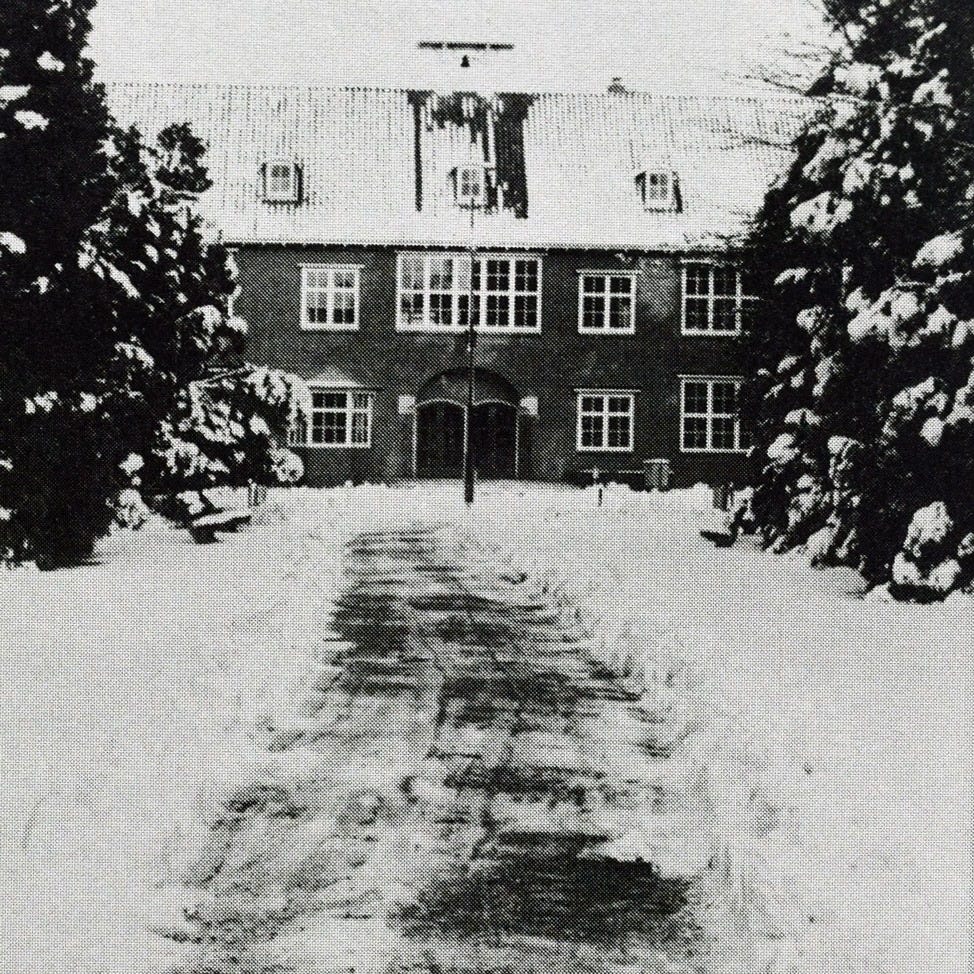
When the family returned to the Netherlands in 1939, sixteen-year-old Joke enrolled at the Christelijk Lyceum in Zeist. She sat next to a Jewish girl named Rosette Bannet in class, and the two girls soon became best friends.
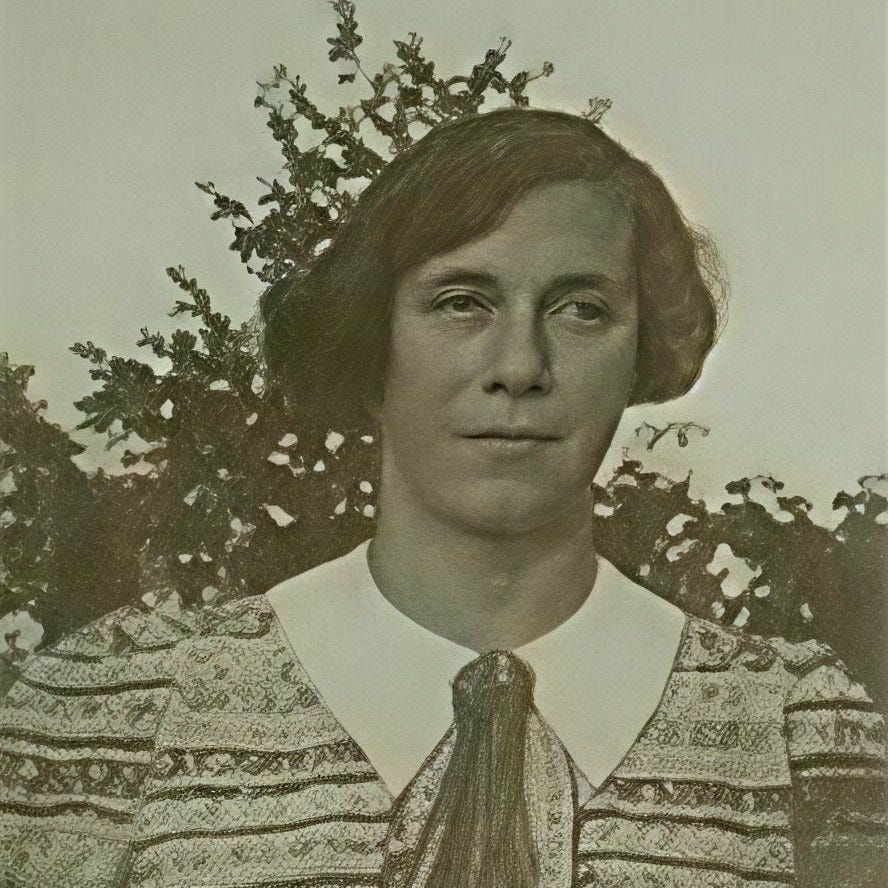
At first, the German occupation changed little in their daily routine. Then, gradually, the restrictions began to accumulate. Jewish citizens found themselves excluded from more and more aspects of public life. New regulations appeared almost monthly.
Eventually Rosette was no longer allowed to attend school. One of the teachers asked Joke if she would bring her homework assignments to her friend’s home so that she could continue her studies. It was a small act of kindness, the sort of favour that few people would have considered remarkable at the time.
For months, Joke cycled through the village to bring Rosette her notebooks and homework. One day, she arrived to find the house empty. The curtains were drawn, the rooms were deserted, no one answered the door.
People whispered that the family had gone into hiding. Others suggested they had escaped to Switzerland. Like many other Dutch people, Joke desperately wanted to believe those stories.
It wasn’t until after the war that she found out what had really happened. Rosette had been deported to Auschwitz along with her parents and siblings. None of them survived.
When Joke Foret was asked after the war why she had joined the resistance, she never talked about the regime or politics. Instead, she spoke about Rosette.
The disappearance of her friend transformed the occupation from something distant into something deeply personal.
The alarm clock in the basket
Not long after Rosette vanished, the teacher approached her again. This time the request had nothing to do with schoolwork.
Would she be willing to deliver a package? Joke agreed. Then another package arrived. And another.
At first she knew very little about what she was transporting, and that was intentional. Resistance networks were designed so that individuals possessed only the information they absolutely needed. If someone was arrested, they could reveal very little under interrogation.
Soon she developed a routine. A large alarm clock sat prominently in her bicycle basket, where it immediately attracted attention. Hidden beneath it were the items that actually mattered.
Years later she recalled that she could often guess the contents simply by lifting the package.
“If it was light,” she said, “it was usually ration cards. If it was heavy, it was probably ammunition or a pistol.” She never asked questions. The fewer details she knew, the safer everyone remained. She knew the risks.
What made her particularly effective was the fact that she appeared so ordinary. German soldiers expected resistance fighters to look suspicious. They looked for nervous men, military-aged travellers, or individuals behaving strangely.
They rarely paid attention to a young woman riding a bicycle through town. That invisibility became one of her greatest weapons.
In 1942, by which time she was a student in Amsterdam, she became involved with Fiat Libertas (“Let there be freedom”). This resistance group was a major Dutch escape - and espionage network. The group helped Allied pilots escape and smuggled intelligence abroad. What had begun as simple courier work soon evolved into something far more dangerous.
Guiding pilots to freedom
As the air war over Europe intensified, Allied bombers crossed occupied territory almost daily. Many aircraft were damaged by anti-aircraft fire or German fighters. Some crashed in fields, forests, and villages across the Netherlands.
The crews who survived often found themselves stranded in enemy territory, dependent upon civilians for their survival.
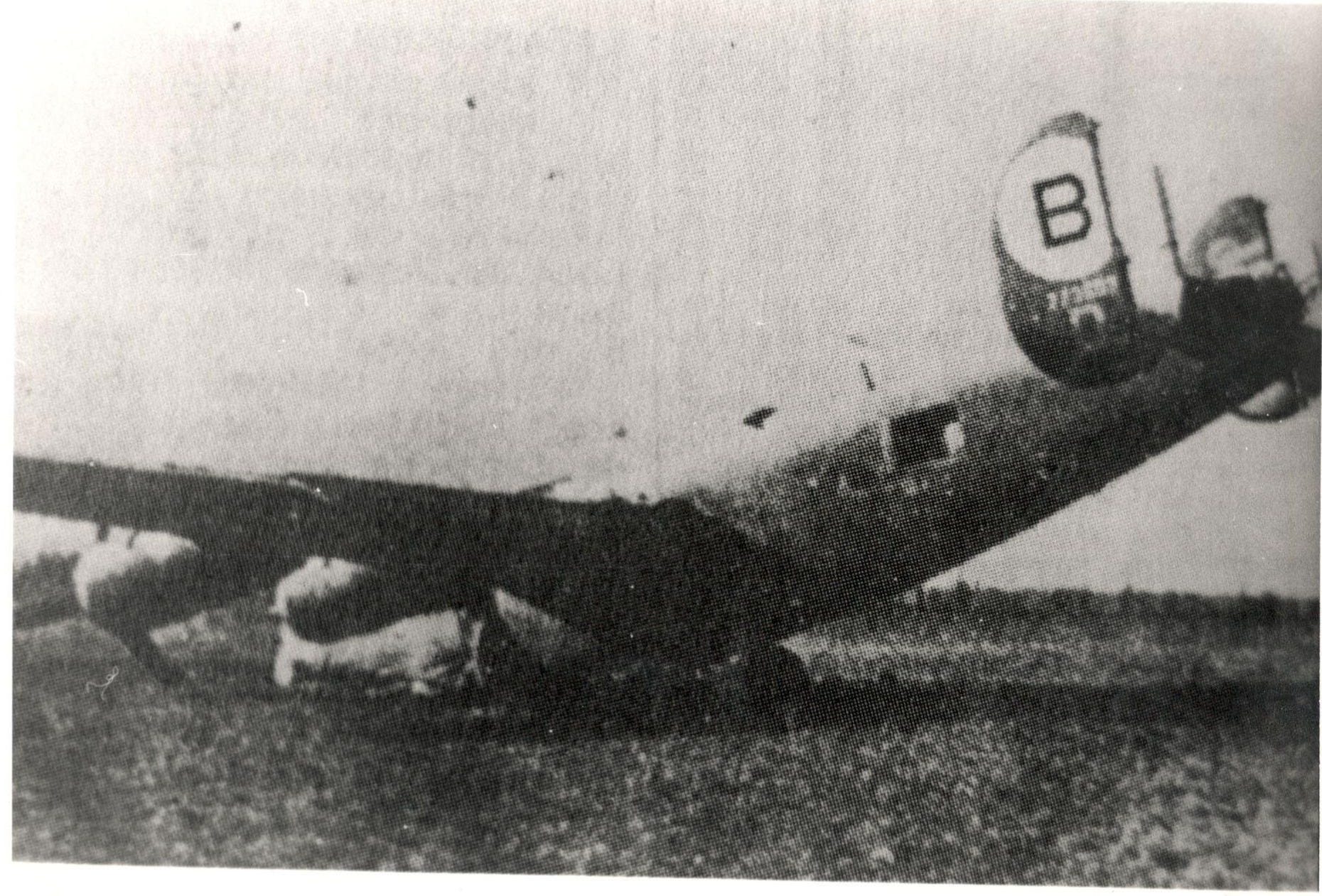
Helping a downed airman was one of the most dangerous forms of resistance work. Anyone caught sheltering Allied personnel faced imprisonment, deportation, or execution.
Nevertheless, hundreds of Dutch citizens participated in escape networks.
Joke became one of them. Over the course of the war she helped more than 300 people evade capture, including approximately 120 Allied airmen. Some were British. Others were Canadian, Australian, New Zealand, or American. Many were little older than she was.
Moving them safely through occupied Holland required extraordinary attention to detail. Before travelling, she carefully coached the pilots in Dutch customs. The smallest mistake could attract attention. British men, for example, often stood automatically when a woman entered a railway compartment. Dutch men generally did not. A seemingly polite gesture could immediately reveal that someone was not who they claimed to be.
On train journeys, Joke often sat several rows away from the men she was escorting. They rarely spoke. Instead, they communicated through dscreet signals, brief glances, and predetermined gestures. One finger up meant “yes,” two meant “no.” An entire journey might pass without a single conversation. To fellow passengers, they appeared to be complete strangers. In reality, their lives depended upon one another.
Some routes led through the tunnels of the Sint Pietersberg near Maastricht. Resistance members watched the opposite bank of the Meuse. If red socks were hanging on a washing line, it meant the crossing was no longer safe.
The Woman Called “La Petite”
Within the resistance, code names were essential. Joke’s nickname was “La Petite” , “The Little One.” She was often the youngest person involved in an operation. The name seemed fitting. Yet the nickname produced an unexpected advantage.
As German intelligence gathered fragments of information about resistance activities, reports repeatedly mentioned a courier known as “La Petite”. Investigators attempted to identify her, but their assumptions led them in the wrong direction.
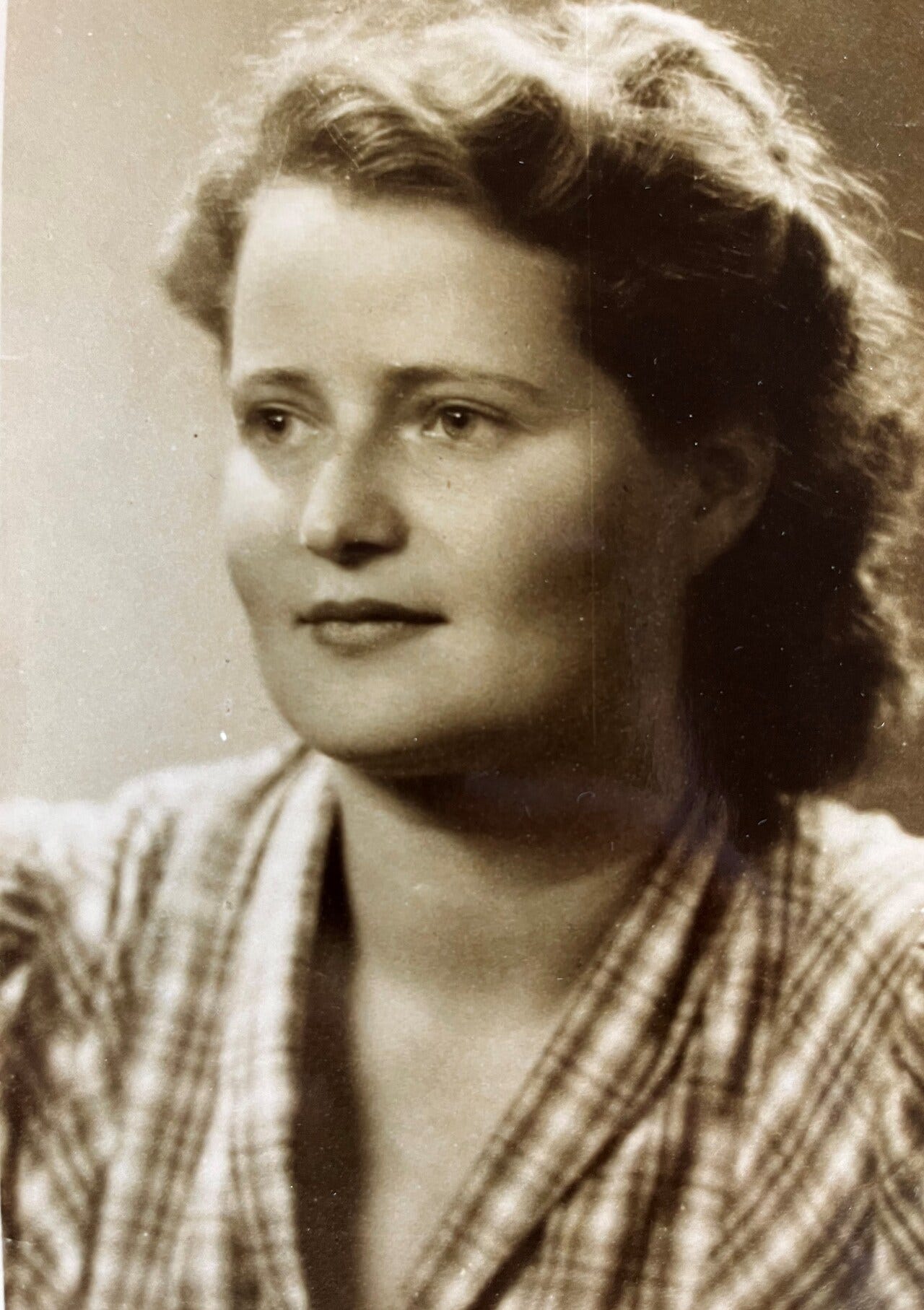
Many imagined an older French-speaking woman. Some believed she was operating near the Belgian border. Almost nobody suspected a young Dutch student.
For a time, the misunderstanding protected her. The Gestapo searched for La Petite while the real La Petite travelled almost unnoticed through occupied Holland.
Betrayal and the Death Sentence
For years, the Fiat Libertas escape line had managed to stay one step ahead of the German authorities. Couriers, guides, forgers, and safe-house keepers worked together to move Allied airmen across occupied Europe. Every participant knew that discovery could mean imprisonment or death.
In September 1943, disaster struck. The network was betrayed. One by one, members of Fiat Libertas were arrested. What had been one of the most successful escape lines in occupied Europe slowly began to unravel as the Germans pieced together the organisation behind the smuggling routes.
By the spring of 1944, German investigators had already dismantled much of the Fiat Libertas network. After weeks of surveillance they finally traced one of its most elusive couriers. The Sicherheitsdienst followed her mother for weeks until she traveled to Amsterdam to visit Joke. No sooner had mother and daughter embraced each other at Central Station than both were arrested. Her mother was then sent to Camp Vught as a hostage.
She was first imprisoned in the notorious Oranjehotel prison in Scheveningen, a place feared throughout the occupied Netherlands. When she pretended not to understand German during an interrogation, she was sentenced to six weeks in solitary confinement. During this time, she slept a lot. She was exhausted from all those years of traveling and living under constant stress. She found another paperclip in her clothes. She used it to scratch her name, poems, and even a calendar onto the prison walls.
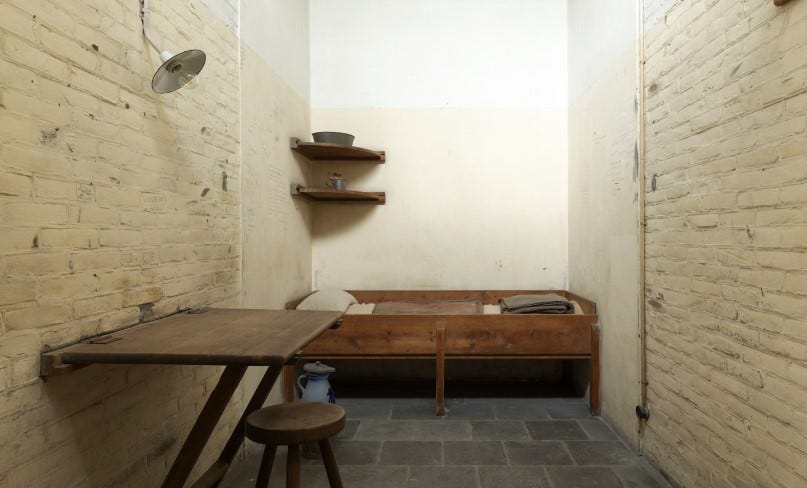
From The Hague she was transferred to the prison in Utrecht and later to Kamp Vught. Despite her youth, the German authorities regarded her as an exceptionally dangerous prisoner. A German court sentenced her to death. Joke was only twenty years old.
Dolle Dinsdag (Mad Tuesday)
For months she lived with the knowledge that her execution could take place at any moment. Then history intervened.
On 5 September 1944, a day that became known in the Netherlands as Dolle Dinsdag (”Mad Tuesday”), rumours swept through the country that Allied forces were on the verge of liberating the Netherlands. Panic spread among German officials and collaborators.
The authorities rushed to evacuate prisoners from Kamp Vught. Among those removed from the camp was Joke Folmer. The evacuation unintentionally saved her life. Had she remained in Vught much longer, her death sentence would almost certainly have been carried out. Instead, she disappeared into the vast and increasingly chaotic German prison system.
A Nacht-und-Nebel Prisoner
The Germans classified Joke as a Nacht-und-Nebel prisoner. Under Hitler’s infamous “Night and Fog” decree, resistance fighters were to vanish without trace. Families received no information. Prisoners were transported secretly to Germany and effectively disappeared from the world.
For relatives at home, it was often impossible to know whether a loved one was alive or dead. Joke was moved from prison to prison across Germany. Among the institutions where she was held was the prison at Waldheim in Saxony, together with two of her resistance friends: Nel and Yet.
The conditions were harsh. Food became scarcer as the war progressed. Air raids shook the cities. In prison, the women developed their own ways of surviving. Every evening one of the prisoners would begin to sing. Another would add a second voice. Soon the entire cellblock joined in. Night after night they sang away their fear. One favourite was the German song Die Gedanken sind frei (”Thoughts are free”), whose verses sometimes carried hidden messages between prisoners.
Transports followed one another in rapid succession as German authorities attempted to stay ahead of the advancing Allied armies. On a handkerchief, she embroidered the names of the places where she had stayed, along with the dates. She hid the needle in the calluses on her hand.
Although her death sentence remained valid, the paperwork never managed to catch up with her. As prisons were evacuated, records were lost, delayed, or left behind. While Germany’s administrative machinery collapsed around her, the documents authorising her execution drifted through a bureaucracy that was itself falling apart. Again and again, she survived.
Freedom at Last
By the spring of 1945, the Third Reich was disintegrating. German guards abandoned posts. Transport systems collapsed. Entire regions fell under Allied control. On 6 May 1945, one day after the German surrender in the Netherlands and two days before Germany’s formal capitulation, Soviet troops reached Waldheim prison, near Dresden.
The prisoners were free. After more than a year in captivity, and after living under a death sentence that had followed her across Europe, Joke Folmer finally walked out of prison alive.
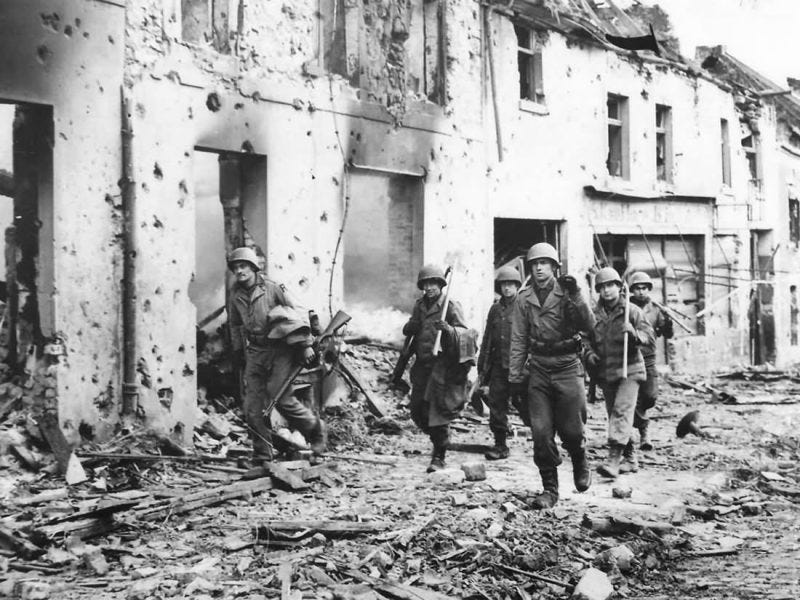
The journey home proved almost as remarkable as the imprisonment itself. Her long return through war-ravaged Europe was later described in The Walls Came Tumbling Down (De muren vielen om) by fellow former prisoner Jet Roosenburg. Against all odds, “La Petite” had escaped the death penalty.
Bringing the Airmen Back
After the war, Joke rarely presented herself as a hero, she resumed her career at the Child Protective Services as if nothing happened. In 1950 she married former resistance member Ben de Groot. Sewn into her wedding dress was a strip of white silk from the parachute of a pilot she had helped save.
Her mementos are stored in a box stored in her parents’ attic. For a long time Joke didn’t talk about the war. But after about twenty years, she was asked to speak to her son’s class. That became a new responsibility: educating others about the war.
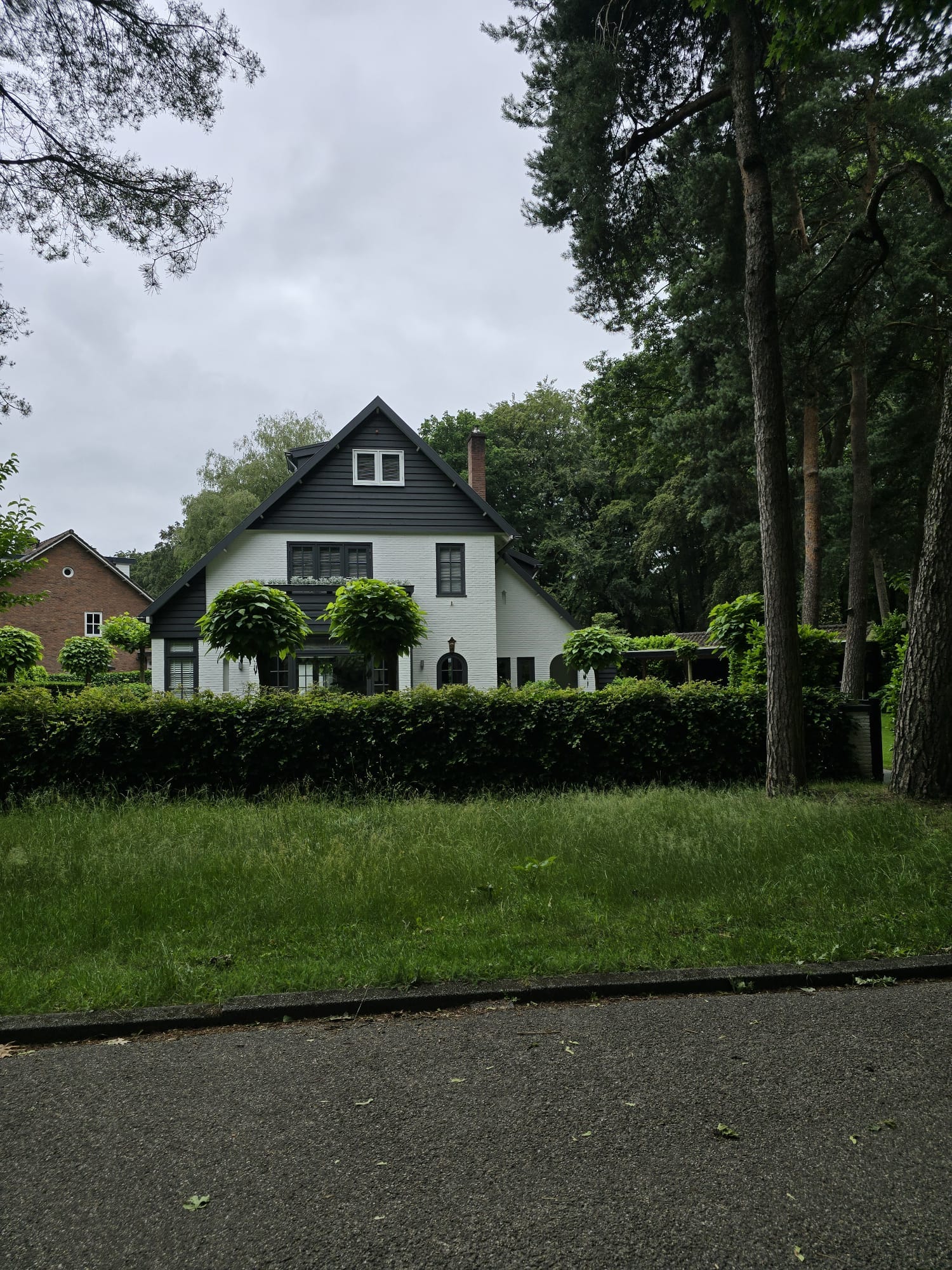
The men whose lives she had helped preserve, however, never forgot her. For years after the war, thank-you letters were sent to her parents’ address: the white house on the corner in Zeist, the Netherlands.
Together with fellow resistance member Nel Lind, Joke organised reunions for veterans of the Royal Air Force and Royal Canadian Air Force. Former airmen returned to the Netherlands and retraced the escape routes that had once carried them through occupied Europe toward the Swiss or Spanish borders.
What had once been a desperate flight for survival became a journey of remembrance. They walked the same paths, crossed the same borders, and revisited the homes where Dutch families had risked everything to shelter them. Joke often accompanied them, revisiting places that had once been scenes of fear, uncertainty, and courage.
For decades people knew her as “La Petite”, the elusive resistance courier who outwitted the Gestapo and escaped a death sentence. Yet if you had asked Joke Folmer why she joined the resistance, she would probably have given a much simpler answer.
It began with a schoolgirl named Rosette. One day her desk was empty. And Joke decided that looking away was no longer an option.
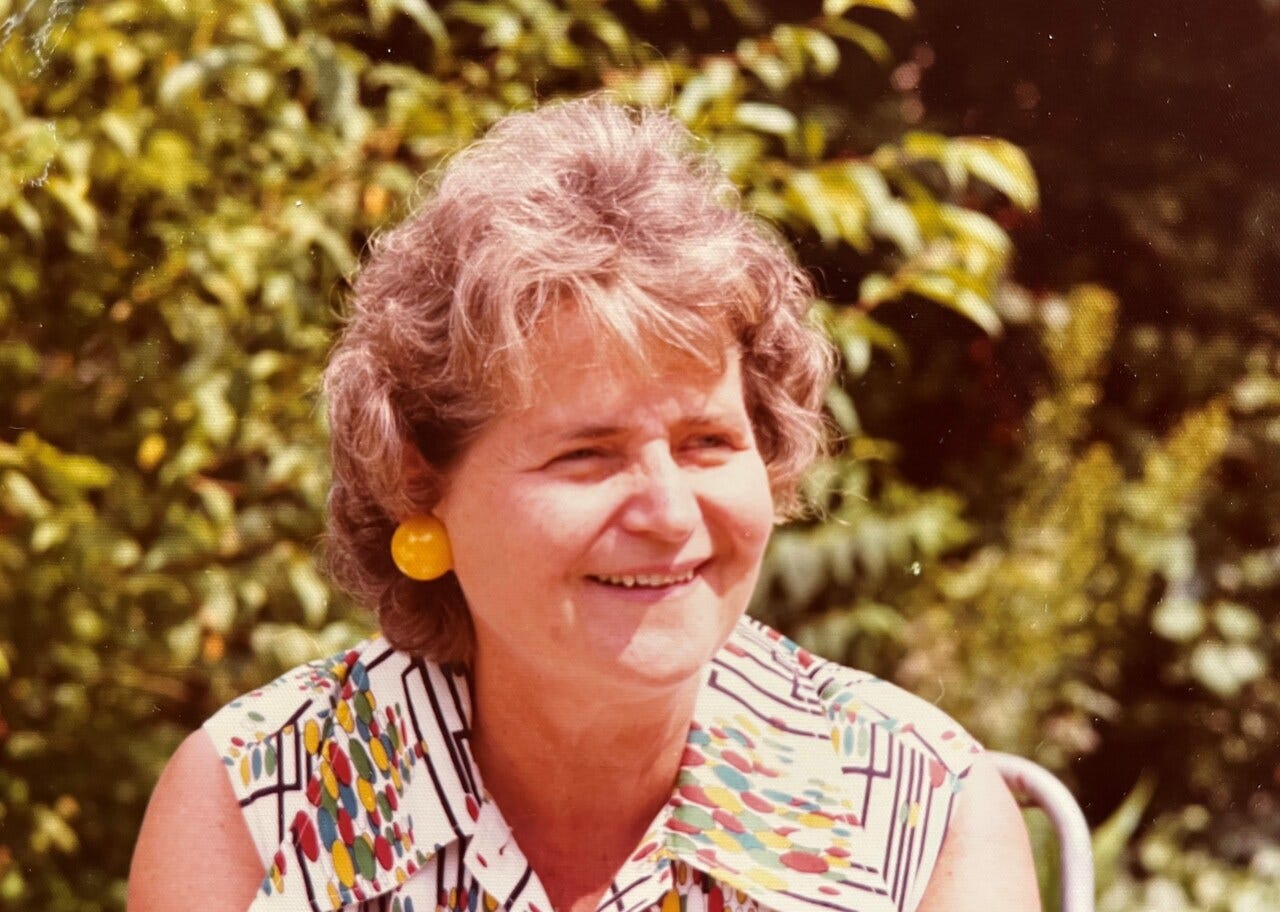
Joke died in 2022 at Schiermonnikoog at the age of 99.